🧊
Alaska: May to September
Outside that window the ships are not there. June and July give the longest daylight; May and September are quieter and often better value, with a slightly higher chance of grey days.
Type to search the whole site
Home › Guides › Caribbean vs Alaska vs Mediterranean: how to decide
GuideThese three account for most first cruises, and people usually pick by photograph. That is the wrong instrument. They differ in when you can go, how much you pack, what a day ashore asks of you, and how tiring the week is. Here is the honest comparison.
☎Call now · +1-833-684-4250Two of these three are seasonal, and that alone settles a lot of arguments.
Outside that window the ships are not there. June and July give the longest daylight; May and September are quieter and often better value, with a slightly higher chance of grey days.
July and August are hot and crowded in every port. Late spring and early autumn give you the same cities at a temperature you can actually walk around in.
Winter is peak season and peak price. Late summer into autumn is hurricane season, which is why fares drop, and why travel insurance stops being optional.
If your leave is fixed to one week in July, you have effectively already chosen. If you can move your dates, that flexibility is worth more than any other decision on this page. Our when to cruise guide goes region by region.
This is the difference people feel most and plan for least. All three put you in a port; what happens next could not be less alike.
A beach, a rum punch, or the ship's pool while everyone else goes ashore. Nothing is missed if you stay on board, which is exactly why it suits a rest.
Whale watching, glaciers, trains, floatplanes. Excursions carry more of the value here than anywhere else, and rain does not cancel the day, it just changes the clothes.
Old towns, museums, ruins, and often a drive between the port and the city that matters. Full days on your feet in heat, and the trip is largely wasted if you skip them.
The same ship delivers a different share of the holiday in each region, which changes how much you should spend on it.
Sea days are frequent and the newest, biggest ships sail here. Waterslides and shows earn their keep. Paying up for a better ship makes obvious sense.
You will spend hours watching the coast go past. Big open decks, forward-facing lounges and a balcony matter far more than waterparks.
You are ashore most days and asleep on board. A comfortable cabin and good dinners matter; the entertainment lineup barely gets used.
That has a practical consequence for cabin choice. A balcony earns its money in Alaska, where the view is the product, more than in the Mediterranean, where you are rarely in the room in daylight. Choosing a cabin covers the trade-offs.
We do not publish fares here, but the shape of the spending is different in a way worth knowing before you compare two quotes.
The Caribbean is a short domestic hop for most of the US. Alaska usually means a flight to Seattle or Vancouver. The Mediterranean adds a transatlantic flight and often a hotel night either side.
Alaska carries the heaviest excursion spend, because the things worth doing are organised and not walkable. Mediterranean ports often can be done independently. Caribbean beach days can cost nothing.
Similar across regions, but Caribbean sea days give you more hours in which to buy drinks and speciality dinners, which quietly raises the total.
It is your first cruise, you are travelling with children, you want warmth and rest, your dates are inflexible, or you would rather drive to the port than fly.
Scenery and wildlife are the reason you are going, you do not mind cool and changeable weather, and you can travel between May and September.
You want cities and history more than beaches, you are happy on your feet all day, and you can add flights and a hotel night at each end.
One more honest point. Most people who cruise more than once end up doing all three, and the order matters less than the timing. If you are undecided and your dates are flexible, the Caribbean is the low-risk starting point: shortest travel, lowest total cost, and the easiest to enjoy even if cruising turns out not to be your thing.
Neither is better; they answer different questions. The Caribbean is warm, year round, reachable by a short flight or a drive for much of the US, and the days ashore are optional. Alaska is scenery-led, runs only from roughly May to September, and the excursions carry more of the value. Pick the Caribbean for rest and the Alaska sailing for landscape.
It can be excellent, but it is the most demanding of the three. You are ashore most days, often walking a hot city for hours, and skipping ports wastes the trip. If your idea of a holiday is resting, a Caribbean sailing suits a first cruise better. If you want to see several countries in a week, the Mediterranean is hard to beat.
The season runs roughly May to September because the ships are not there outside it. June and July give the longest daylight and the warmest weather. May and September are quieter and often better value, with a slightly higher chance of grey or wet days.
It earns its money there more than in most regions, because the scenery is the product and a lot of it passes while you are in your cabin. In the Mediterranean, where you are ashore most daylight hours, the same money is often better spent elsewhere. Our cabin guide covers the trade-off.
Compare the whole trip rather than the cruise fare. For most US travellers the Caribbean adds up to the least because flights are short or unnecessary and beach days can cost nothing. A cheaper Mediterranean fare can end up costing more once long-haul flights, hotel nights either side and excursions are counted.
It is a reason to plan rather than to avoid. Roughly June to November brings a higher chance of storms, which is why fares are lower then. Ships routinely reroute around weather, so the usual outcome is a changed itinerary rather than a cancelled trip, and travel insurance matters more in that window.
Call a specialist, they'll give you the all-in number for your dates.
You are in good hands. We hold recognised travel-industry credentials and the official Islands of the Bahamas certifications. Tap a badge to verify it.
Company credentials: BookMeCheapest LLC
Training and certifications
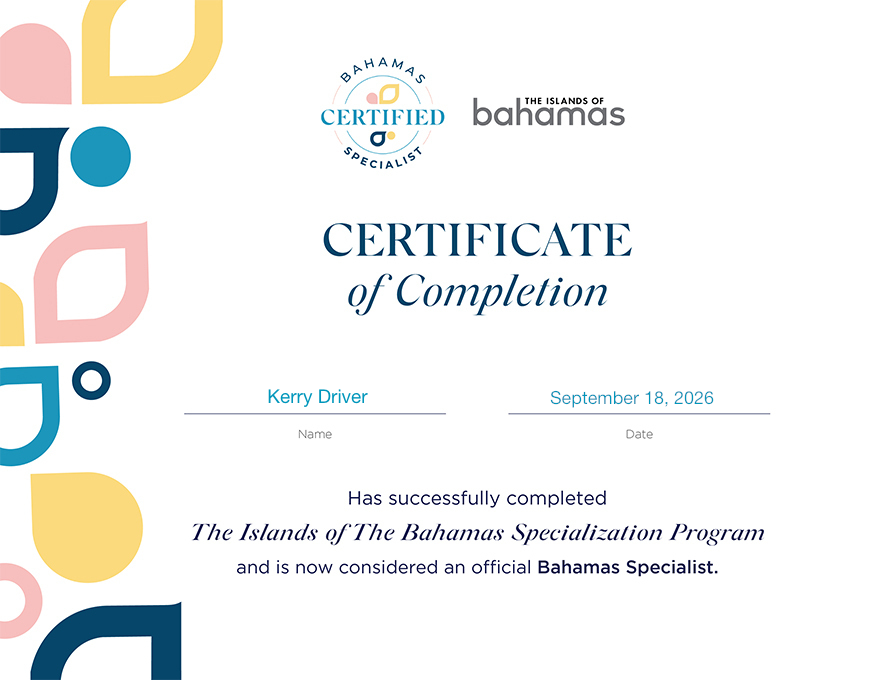 Certified Bahamas Specialist diploma
 Royal Caribbean University · Master of AdventureCarnival Learn and Earn graduate
A principal of BookMeCheapest LLC holds the Certified Bahamas Specialist diploma from The Islands of The Bahamas. Lokesh Pant has completed Royal Caribbean University's Master of Adventure certification. Kerry Driver has graduated from Carnival's Learn and Earn training programme.
Training completed by individuals at BookMeCheapest LLC, the team that researches and publishes this site. Calls are answered by independent travel companies, not by any cruise line, and not by the people named here. These are professional development courses run by tourist boards and cruise lines for travel professionals. Completing one is a training achievement, not a partnership, appointment or endorsement. We are not affiliated with, authorised by, or an agent of any cruise line or tourist board.